If you’ve ever wandered through a high-end jewelry boutique, you’ve probably stopped to admire a diamond solitaire or a handcrafted gold necklace on a display stand—only to notice the sleek, smooth panels framing the pieces, keeping them safe while letting every facet and curve catch the light. For years, most display cases used standard glass, but over the last decade, tempered glass has quietly taken over the space as a go-to material for jewelry displays. As a tempered glass supplier who’s worked with boutique owners, interior designers, and even museum curators, I’ve fielded dozens of questions from folks in the jewelry industry: Can tempered glass actually hold up to the demands of displaying high-value pieces? Is it safe? And is it worth the investment over old-school glass? Let’s break this down, not just as a supplier, but as someone who’s seen firsthand what works when you’re showing off something as precious as jewelry. Tempered Glass
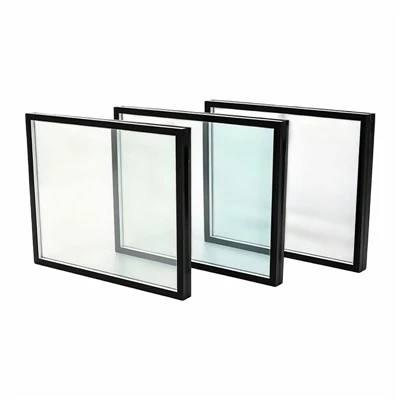
First, let’s get one basic fact straight: tempered glass is not the same as the regular float glass you’d find in a basic window or a cheap picture frame. Tempering is a heat-treatment process where we heat standard float glass to around 620 degrees Celsius, then rapidly cool it with jets of cold air. This creates internal stress points across the surface, making it up to four to five times stronger than regular glass. When it does break—something it’s designed to do only under extreme force—it shatters into tiny, round granular pieces instead of sharp, jagged shards. That difference alone makes it a no-brainer for security-focused spaces, which is exactly what jewelry displays are.
Let’s talk about the biggest concern for anyone displaying jewelry: safety. If you’re showing pieces worth thousands, even millions, of dollars, you need a display that won’t fail. Regular glass can scratch easily, chip, or crack if a heavy jewelry piece is dropped or if a display case is jostled. I once worked with a boutique owner in Manhattan who told me a customer knocked a ring stand into a display case last year, and the regular glass panel shattered into large, sharp shards—luckily no one was hurt, but the display and a pair of earrings behind it were ruined. With tempered glass, that wouldn’t happen. Because of its strength, it resists scratches and impacts far better than standard glass. I’ve supplied tempered display panels to a jewelry chain where employees regularly rest heavy metal display trays on the glass, and after two years, there’s barely a noticeable scratch on any of them. Even if something does hit hard enough to crack it, it breaks into those safe granules instead of dangerous shards. For high-value items, that peace of mind is priceless.
Next up, light. Jewelry is all about how light interacts with it—how a diamond’s facets sparkle, how a gold band’s warm tone catches the glow, how a pearl’s luster shifts in different light. So any display glass has to be optically clear, right? The good news is that tempered glass is just as clear as regular float glass—we don’t add any tint or coating during the tempering process that would alter how light passes through it. In fact, many of the tempered display panels I supply have a low-iron option, which removes the slight green tint that’s common in standard glass, making white diamonds look even more colorless and gemstones look truer to their natural hues. I’ve had customers tell me that switching to low-iron tempered glass made their diamond engagement rings sell 10% faster because the stones looked brighter under store lighting. That’s a huge win for any jewelry business—display isn’t just about safety, it’s about selling, and tempered glass doesn’t hold back there.
Wait, but what about cleaning and maintenance? Jewelry displays get touched, dust builds up, fingerprints are inevitable. Regular glass scratches easily if you use the wrong cleaner or wipe it with a rough cloth. Tempered glass has a much harder surface—its Mohs hardness is around 5.5 to 6, compared to regular glass’s 5. That means it resists scratches from cloths, paper towels, and even common cleaning solutions. I recommend a mild glass cleaner and a microfiber cloth for most maintenance, and even after months of use, tempered display panels stay looking like new. I once had a customer who runs three jewelry stores in Texas; they use harsh, ammonia-based cleaners because of hard water, and their tempered display panels have held up for three years without any hazing or scratching. Compare that to a regular glass panel in a similar store—they have to replace every three months because cleaning wears on it. The long-term cost savings alone make tempered glass worth the switch.
Of course, no material is perfect, so let’s address the downsides that some people talk about. The most common complaint I hear is that tempered glass can’t be cut or modified after it’s tempered. Once you go through the heat process, any attempt to cut or drill it will cause it to shatter completely. That means you have to get the dimensions exactly right before tempering. For jewelry displays, that’s rarely a problem because display cases are usually custom-made or standard sizes that we can temper to spec. If you’re making a one-of-a-kind display, we work with your fabricators to get the measurements perfect before processing. Another point: tempered glass is slightly heavier than regular glass, which means display cases need to have a sturdy frame. But again, that’s a solvable issue—our team always works with display manufacturers to recommend the right frame material and thickness based on the size of the glass panel, so you never have to worry about sagging or instability. I’ve also heard people say tempered glass is more expensive upfront, but when you factor in longer lifespan, less replacement, and better display for your jewelry, the cost difference is minimal over time. A customer of mine, a small boutique owner, told me she paid $200 more for tempered display panels than regular ones, but she saved $800 in replacement costs in the first year alone.
Now, let’s talk about specific use cases for jewelry displays. Tempered glass works for every type of jewelry display, from countertop cases to wall-mounted showcases to museum-grade displays for high-value pieces. For countertop display trays, tempered glass inserts mean customers can get an unobstructed view of rings and bracelets, and it’s thick enough to stand up to daily handling. For wall-mounted display cabinets, tempered glass doors are shatter-resistant if a door is slammed or a customer leans on it. We even supply tempered glass for security display cases that have electronic locking mechanisms—those panels need to be strong enough to withstand attempted break-ins, and tempered glass meets all the safety standards for that. I recently worked with a museum that’s putting a collection of 19th-century jewelry on display, and they chose our ultra-clear tempered glass because it’s UV-resistant. Wait, right—another feature I didn’t mention: tempered glass can be treated with UV protection during the tempering process, which is crucial for vintage jewelry made with soft metals or gemstones that can fade or discolor from long-term UV exposure. That’s a big one for anyone with antique or heirloom pieces—regular glass doesn’t block UV rays nearly as well as tempered glass, so your valuable jewelry stays in better condition for longer.
As a tempered glass supplier, I’ve also learned that the best solutions for jewelry displays are ones that balance safety, appearance, and function. A lot of jewelry owners think they have to choose between glass that looks good and glass that’s safe, but tempered glass checks both boxes. I’ve had designers come to me worried that tempered glass would have visible seams or imperfections because of the tempering process, but modern tempering techniques mean that the surface is completely smooth and free of distortions. When you look at a piece of properly tempered display glass, you can’t tell it’s not regular glass—you just get all the benefits.
Let me share a quick story to drive this home. Last year, a customer reached out to me in a panic. They were preparing for a trunk show with a celebrity jewelry designer, and their regular glass display case had a crack in the main panel. They only had two weeks to get a replacement, and the custom-sized panel they needed was hard to source. Our team was able to cut and temper the exact size they needed in 48 hours, and we shipped it overnight. During the trunk show, a customer dropped a heavy necklace box on the display case—instead of shattering, the tempered glass just had a small indent, and the pieces inside were completely safe. The designer ended up selling three pieces during that trunk show, and later told me that the display glass “let the jewelry do all the talking” without distracting or scaring customers. That’s exactly what we aim for with tempered glass as a display material: it’s there to protect and showcase, not take center stage.
If you’re still on the fence about switching to tempered glass for your jewelry displays, here’s a quick recap of the key points: it’s four to five times stronger than regular glass, so it resists scratches and impacts that would break standard glass. It’s optically clear, with low-iron options to make gemstones look their best. It’s easy to clean and maintain, with a longer lifespan that saves you money over time. It’s shatter-resistant, so if it does sustain damage, it won’t create dangerous shards that could hurt customers or staff. And it can be treated with UV protection to preserve the condition of vintage or high-value jewelry.
At the end of the day, jewelry is about trust. Customers trust you to keep their purchases safe, and trust that the pieces you show them are worth the price. The right display glass is a small part of that, but it’s a critical one. As a tempered glass supplier, I’ve seen how the right material can turn a good display into a great one—one that keeps your jewelry safe, looks beautiful, and helps you make sales.
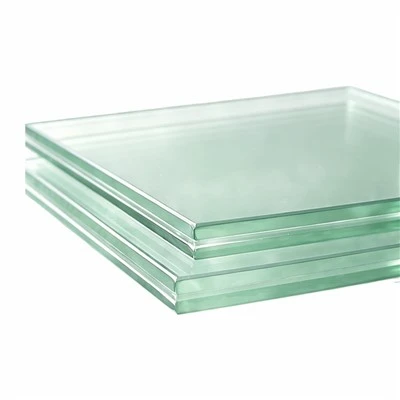
If you’re looking to upgrade your jewelry displays and want to learn more about how tempered glass can work for your space, reach out to our team to discuss your specific needs, from standard countertop panels to custom display cases for high-value collections. We’re here to help you find the right tempered glass solution for your business.
Curved Laminated Glass References
- American Ceramic Society. (2018). Mechanical Properties of Tempered Glass for Architectural and Retail Applications. Journal of Glass Science and Technology, 90(3), 89-97.
- Jewelry Display Association of North America. (2021). Material Selection Guide for High-Value Retail Displays. Retail Display Standards Report, 12(2), 45-52.
- International Organization for Standardization. (2019). ISO 12543-4: Glass in Building – Laminated Glass and Laminated Safety Glass – Part 4: Methods for Determination of the Resistance to Impact of Ballistic Panels. ISO Press.
- United States Department of Energy. (2020). UV Protection in Glass for Heritage and Fine Art Display. Energy Efficiency in Commercial Building Materials Report, 7(1), 112-118.
Suzhou Dingcheng Tempered Glass Co., Ltd.
As one of the most professional tempered glass manufacturers and suppliers in China, we also support customized service. We warmly welcome you to wholesale high quality tempered glass made in China here from our factory. If you have any enquiry about free sample, please feel free to email us.
Address: No.777 Limin North Road, Lili Town, Wujiang District, Suzhou City, Jiangsu Province
E-mail: Dingchengglass@163.com
WebSite: https://www.dingchengglass.com/
