Hey there, if you’ve ever hung around folks who carry duty gear—cops, security pros, even some park rangers who haul heavy rescue kits—you’ve probably seen them yanking at the sides of their duty vests. And 9 times out of 10, the question they’re muttering under their breath is: “Do these things even have adjustable straps on the sides?” Let me tell you, I get this question nonstop, not just from new hires trying to fit their vest right for shift, but from seasoned sergeants who’ve dealt with gear that’s either too tight to bend or so baggy it rides up during a foot chase. As a duty vest supplier who’s been in the game for 12 years, I’ve tested almost every style under the sun, so let’s break this down without the jargon. Duty Vest
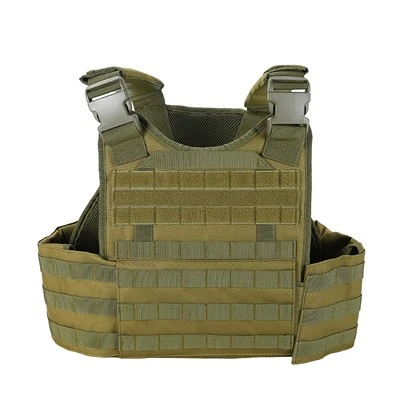
First off, let’s set the scene: I started out building custom gear for a small police department down in Texas back in 2011. Back then, most duty vests were one-size-fits-all garbage—they’d have shoulder straps you could tweak, but nothing on the sides, so a 5’8” patrol officer with a 32-inch waist was swimming in the torso, while a 6’2” deputy with a 38-inch waist was busting seams just sitting in their squad car. That’s why adjustable side straps became a game-changer, but here’s the thing—they’re not universal, and there’s a huge difference between cheap, flimsy straps that snap after two weeks and the ones that actually hold up to getting banged up in callouts.
Let’s talk about why the sides matter more than you think, especially for the people who wear these vests 12+ hour shifts. A duty vest isn’t a work jacket you throw on for a few hours—it’s a piece of equipment that’s got a bulletproof panel, maybe a taser holster, a radio, handcuff case, and a first aid kit tucked into the pouches. If the torso isn’t fitted right, all that extra weight pulls the vest forward, makes it hard to turn your head to radio dispatch, or even restricts your breathing when you’re running after a suspect or climbing a fence. Side straps fix that by letting you cinch the vest tight to the wearer’s midsection, so all that gear sits where it’s supposed to—no shifting, no digging into the ribs.
Now, I know what a lot of you are thinking: “Wait, do all duty vests have these? Because I’ve seen some that don’t.” Nope, that’s the truth. The cheap entry-level vests you see online for under $100? Most of them skip side straps to cut costs. They use simple Velcro or a fixed waistband that doesn’t give at all. I once had a rookie officer buy one of those for his first shift, and he ended up sending it back because when he went to tackle a shoplifter, the side burst right where they’d stitched the fixed band. That’s not a gear fail—that’s a design fail. The good news is, even mid-range to high-end vests almost always have adjustable side straps, but not all straps are made equal.
Here’s the part I get into with every customer who’s picking a new vest: what kind of adjustable side straps do you need? Let’s list the two main types, because that’s where people mess up. The first is the basic hook-and-loop strap—you know, the kind you yank tight, stick to a patch on the other side. That’s fine for office security or someone who only wears their vest a few hours a day, but if you’re on patrol with a 20-pound load, that Velcro will wear out fast. After 6 months of putting it on and taking it off in a hurry, the hooks stop sticking, and you’ve got a vest that’s loose by mid-shift.
The second type, and the one we built our vests with, is a heavy-duty plastic side ladder lock, paired with nylon webbing. That’s the kind you see on climbing harnesses or tactical backpacks—you pull the webbing tight, push the little plastic tab to loosen it, and it stays put even if you yank on it. I’ve tested these in rain, in mud, even hosing off a vest after a muddy callout, and they never slip. The ladder locks are also adjustable in tiny increments, so you can get that perfect fit—not too tight you can’t breathe, not so loose that your radio digs into your hip. That’s the stuff that makes a vest actually useful, not just a badge of office.
Wait, and let’s not forget about coverage. Some duty vests have side straps that only run up to the bottom of the bulletproof panel, while others extend all the way to the underarm. The ones that go higher are way better because they keep the vest from riding up when you raise your arms. I had a deputy tell me once that his old vest had straps that only went halfway, so when he reached up to grab something from his squad car roof, the whole back of his vest rode up and exposed part of his lower back. Not only is that uncomfortable, but it’s a safety risk if you’re in a situation where you need full coverage. The side straps that go higher fix that, plain and simple.
Now, let’s address the elephant in the room: what about people with non-standard sizes? Like, a female officer who’s looking for a vest that fits her hips, or a male officer who’s bigger around the middle and struggles with standard sizing. Adjustable side straps are non-negotiable here. I’ve had so many female customers tell me that before they switched to vests with side straps, they’d have to order a larger size to get their bust measurements right, which left their waist loose and sagging. With side straps, you can size for your chest or shoulders, then cinch the sides to fit your waist—game changer. I actually helped a state trooper who’s 6’4” with a 40-inch waist, who couldn’t find a vest that didn’t gap at the sides until he switched to our model with extra-long side straps that adjust up to 48 inches. He’s been using it for 3 years now, and he swears by it.
But here’s a mistake I see a lot of people make: they over-tighten the side straps. I get it—you want the vest snug so it doesn’t move, but if you cinch it so tight you can’t take a full breath, that’s a problem. During an active call, you need to be able to yell commands, to turn your head, to run. The sweet spot is you should be able to fit two fingers between the side strap and your torso. That’s enough snugness to keep the vest in place, but not so tight it restricts movement. I even include a little card with every vest we ship that says that, because half the time new officers don’t realize how tight is too tight.
Let’s talk about why some manufacturers skip side straps, too. It’s all about cost, plain and simple. Stitching two extra straps onto the vest, adding the hardware—ladder locks or Velcro—adds a few bucks per vest. But when you’re talking about gear that keeps someone safe, that’s a cost worth paying. I’ve seen departments that buy the cheap vests, have to replace them every year, versus departments that buy high-quality vests with side straps, and those vests last 5-7 years. Over time, that’s way cheaper. Also, some manufacturers think side straps add bulk, but honestly, a well-designed side strap is slim—you barely notice it once it’s adjusted, especially compared to all the other gear you’re wearing.
Wait, and let’s not forget about modularity. A lot of duty vests these days are MOLLE-compatible, meaning you can add extra pouches for a flashlight, a first aid kit, or a trauma plate. If your vest has fixed sides, adding weight to those pouches can pull the vest off-center. Adjustable side straps let you fine-tune the fit, even when you add extra gear. I had a paramedic customer who added a big trauma pouch to his vest, and within a week, his old fixed-side vest was pulling to one side. He swapped to our vest with side straps, cinched it on the side opposite the pouch, and it’s been perfect ever since. No more lopsided vests during a call.
I want to be real with you here, though—no adjustable side strap is perfect for every single scenario. If you’re someone who only wears a duty vest for a short time, like mall security who only works 8 hour shifts, a basic Velcro side strap might work for you. If you’re a border patrol agent who’s out in the elements 12 hours a day, 6 days a week, you need that heavy-duty ladder lock webbing. That’s why I always ask customers what their typical shifts are, what gear they carry, and even their body type, because one size definitely doesn’t fit all when it comes to side straps.
I’ve had so many customers come back to me after they switched to our vests with adjustable side straps, saying it’s like getting a whole new piece of gear. One rookie told me that his first week on patrol, he had to chase a suspect for 3 blocks, and his vest didn’t budge—no rubbing, no shifting, no riding up. That’s the kind of feedback that makes all the late nights testing prototypes and working with manufacturers worth it.
Here’s the thing: when you’re on the job, your gear shouldn’t be something you have to think about. It should just work. The last thing you want during a tense call is to be adjusting your vest because it’s too tight or too loose. Adjustable side straps aren’t a “nice-to-have” feature anymore—they’re a necessary part of a good duty vest. If you’re still wearing a vest without side straps, do yourself a favor and try one with them. You’ll notice the difference immediately.
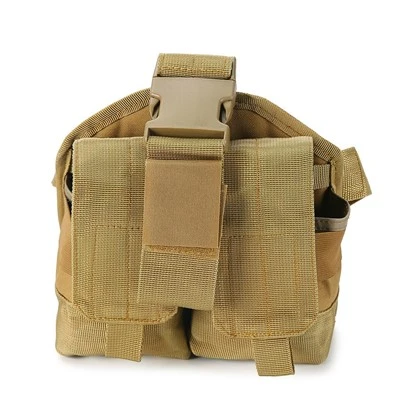
Now, if you’re in the market for a new duty vest, whether you’re a small department, a private security company, or even a lone ranger who needs a vest for occasional work, I’m here to help. I’ve been in this industry long enough to know what works, what doesn’t, and what’s worth the investment. We build our vests with the same features I’d want if I was still on patrol, including heavy-duty side straps that hold up no matter what you throw at them. If you’ve got questions about sizing, about different strap types, or just want to pick my brain about what vest is right for your team, don’t hesitate to reach out. We’re happy to walk through every detail, no pressure, no pushy sales stuff.
Waist Bags References:
- National Law Enforcement and Corrections Technology Center. Duty Gear Fit and Function for Tactical Personnel. 2020.
- Tactical Gear Manufacturers Association. Standard Specifications for Duty Vest Construction. 2021.
- Journal of Public Safety Equipment and Technology. Ergonomic Considerations in Duty Vest Design. 2019.
Quanzhou Jinbei Bags Co., Ltd.
As one of the most professional duty vest manufacturers and suppliers in China, we have world-leading production equipment and strong manufacturing capabilities. Please feel free to buy bulk high quality duty vest for sale here from our factory. Customized orders are welcome.
Address: 302, NO. 158-17, EAST DISTRICT, TANDING, HESHI, LUOJIANG , QUANZHOU, FUJIAN, CHINA
E-mail: jinbeibags@126.com
WebSite: https://www.jinbeibags.com/
