Flexible carbon fiber, known for its remarkable properties, has been a game – changer in various industries. As a leading supplier of carbon fiber flexibility, I often get asked about its potential applications in high – end and specialized fields. One such question that frequently arises is whether flexible carbon fiber can be used in the manufacturing of satellites. In this blog, I will delve into the characteristics of flexible carbon fiber, the requirements of satellite manufacturing, and explore the feasibility of using this material in satellite production. Carbon Fiber Flexibility
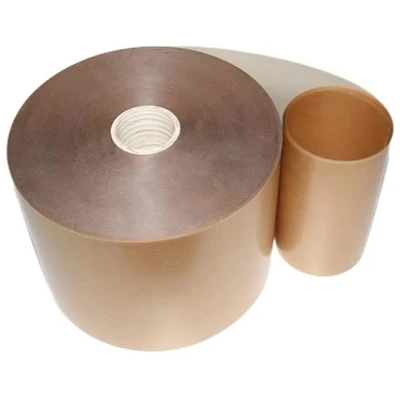
Properties of Flexible Carbon Fiber
First and foremost, let’s understand what makes flexible carbon fiber so special. Carbon fiber is a lightweight yet incredibly strong material composed of thin strands of carbon atoms bonded together in a crystalline structure. These fibers are typically combined with a resin matrix to form a composite material, which can be tailored to meet specific performance requirements.
Flexible carbon fiber possesses unique properties that set it apart from traditional carbon fiber composites. It has excellent flexibility, which allows it to bend and twist without breaking or losing its structural integrity. This flexibility is achieved through advanced manufacturing techniques that optimize the orientation and distribution of the carbon fibers within the matrix.
In addition to its flexibility, carbon fiber is known for its high strength – to – weight ratio. It is stronger than steel but significantly lighter, making it an ideal choice for applications where weight reduction is critical. This property is crucial in satellite manufacturing, as every kilogram of weight saved can translate into significant fuel savings during launch and operation.
Another important property of carbon fiber is its high stiffness. Stiffness refers to a material’s ability to resist deformation under load. A high – stiffness material can maintain its shape and dimensions even when subjected to external forces, which is essential for maintaining the structural integrity of a satellite in the harsh environment of space.
Flexible carbon fiber also exhibits excellent thermal stability. It can withstand extreme temperature variations ranging from the intense heat of the sun to the frigid cold of deep space without significant expansion or contraction. This thermal stability helps prevent structural damage and ensures the reliable operation of satellite components.
Requirements for Satellite Manufacturing
Satellites are complex systems that must operate reliably in a harsh and challenging environment. They are subjected to intense vibrations during launch, extreme temperature variations in space, and radiation exposure from cosmic rays and solar flares. As a result, the materials used in satellite manufacturing must meet stringent requirements.
One of the primary requirements is low weight. Launching a satellite into space is an expensive endeavor, and the cost is directly related to the mass of the satellite. By using lightweight materials, satellite manufacturers can reduce the amount of fuel required for launch, which in turn lowers the overall cost of the mission.
In addition to low weight, satellite materials must have high strength and stiffness. They need to withstand the mechanical stresses during launch and the operational forces in space, such as the centrifugal forces generated by the satellite’s rotation and the impact of micrometeoroids.
Thermal management is another critical aspect of satellite design. Satellites must be able to dissipate heat generated by onboard electronics and withstand temperature variations without thermal distortion. The materials used in satellite construction should have low thermal expansion coefficients to minimize the risk of damage due to thermal cycling.
Resistance to radiation is also essential. The space environment is filled with high – energy particles that can damage electronic components and degrade materials over time. Satellite materials must be able to withstand radiation exposure without significant degradation of their mechanical and electrical properties.
Feasibility of Using Flexible Carbon Fiber in Satellite Manufacturing
Given the properties of flexible carbon fiber and the requirements of satellite manufacturing, it is evident that flexible carbon fiber has great potential in this field.
Weight Savings
The high strength – to – weight ratio of flexible carbon fiber makes it an attractive option for reducing the mass of satellites. By replacing traditional metallic materials with carbon fiber composites in satellite structures, such as the satellite bus and solar panels, significant weight savings can be achieved. This not only reduces the cost of launch but also increases the payload capacity of the satellite, allowing for more advanced equipment and instruments to be carried.
Structural Integrity
The flexibility and high stiffness of carbon fiber can enhance the structural integrity of satellites. During launch, the satellite is subjected to intense vibrations and shock loads. The flexible nature of carbon fiber allows it to absorb these loads and distribute them evenly throughout the structure, reducing the risk of damage. In orbit, the high – stiffness property of carbon fiber ensures that the satellite maintains its shape and dimensions, which is crucial for the proper alignment of antennas, sensors, and other components.
Thermal Management
The excellent thermal stability of flexible carbon fiber makes it well – suited for thermal management in satellites. It can be used in the construction of heat shields and thermal insulation materials to protect sensitive electronic components from extreme temperatures. Additionally, its low thermal expansion coefficient helps prevent thermal stress and distortion, which can affect the performance of satellite systems.
Radiation Resistance
Carbon fiber has inherent radiation – resistant properties. It can absorb and scatter high – energy particles, reducing the amount of radiation that reaches the satellite’s internal components. This makes it an ideal material for protecting sensitive electronics and other critical systems from radiation damage.
Potential Applications of Flexible Carbon Fiber in Satellites
There are several areas in satellite manufacturing where flexible carbon fiber could be applied:
Satellite Structures
Flexible carbon fiber can be used to construct the primary structural components of satellites, such as the satellite frame and panels. These structures need to be lightweight, strong, and rigid to support the various subsystems and payloads. The flexibility of carbon fiber allows for more complex and efficient designs, which can further optimize the performance of the satellite.
Solar Panels
Solar panels are a crucial component of satellites, providing the necessary power for operation. Flexible carbon fiber can be used to support and protect the solar cells. Its lightweight nature reduces the overall weight of the solar panels, while its high strength and stiffness ensure that the panels can withstand the mechanical stresses during deployment and operation in space.
Antennas
Antennas are used for communication and data transmission between the satellite and the ground station. Flexible carbon fiber can be used to construct the antenna reflectors and support structures. Its flexibility allows for the design of deployable antennas, which can be stowed during launch and unfolded in orbit. The high – stiffness property ensures that the antenna maintains its shape and performance over time.
Challenges and Limitations
While the potential of flexible carbon fiber in satellite manufacturing is significant, there are also some challenges and limitations that need to be addressed.
One of the main challenges is the high cost of carbon fiber production. Compared to traditional materials such as aluminum and steel, carbon fiber is more expensive to manufacture. This cost factor can be a barrier to its widespread adoption in the satellite industry, where cost – effectiveness is a major consideration.
Another challenge is the manufacturing process. Producing high – quality flexible carbon fiber composites requires specialized equipment and expertise. Ensuring consistent quality and performance of the materials can be difficult, especially when scaling up production for large – scale satellite manufacturing.
There are also concerns about the long – term durability of carbon fiber in the space environment. Although carbon fiber has good radiation resistance and thermal stability, its performance may degrade over time due to factors such as oxidation, moisture absorption, and micrometeoroid impacts. Further research is needed to understand the long – term behavior of carbon fiber in space and develop appropriate protective measures.
Conclusion

In conclusion, flexible carbon fiber has great potential for use in the manufacturing of satellites. Its unique properties, such as high strength – to – weight ratio, flexibility, thermal stability, and radiation resistance, make it an attractive option for addressing the challenging requirements of satellite design and operation. While there are some challenges and limitations to overcome, such as cost and long – term durability, ongoing research and development efforts are likely to drive the adoption of flexible carbon fiber in the satellite industry.
Prepreg As a Carbon Fiber Flexibility supplier, I am excited about the prospect of working with satellite manufacturers to explore the use of our materials in this cutting – edge field. If you are a satellite manufacturer or involved in the space industry and are interested in learning more about how our flexible carbon fiber products can benefit your projects, please feel free to contact us to discuss potential procurement and collaboration opportunities.
References
- Ashby, M. F. (2011). Materials Selection in Mechanical Design. Butterworth – Heinemann.
- Gibson, R. F. (2012). Principles of Composite Material Mechanics. CRC Press.
- Kutz, M. (2013). Composites and Advanced Materials Handbook. Elsevier.
- Sinke, J. (2016). Spacecraft Structures and Mechanisms: From Concept to Launch. Springer.
Wenzhou Gisen Insulation Material Co., Ltd.
As one of the most professional carbon fiber flexibility manufacturers and suppliers in China, we’re featured by quality products and good service. Please rest assured to wholesale customized carbon fiber flexibility from our factory. Contact us for quotation and free sample.
Address: Diyan Industrial Zone, Wengyang Subdistrict, Yueqing City, Zhejiang Province
E-mail: gisen888@126.com
WebSite: https://www.giseninsulation.com/
