Selecting the right industrial energy storage system is a critical decision for businesses aiming to enhance energy efficiency, reduce costs, and ensure a stable power supply. As a seasoned provider of industrial energy storage systems, I’ve witnessed firsthand the transformative impact of these systems on various industries. In this blog, I’ll share my insights on how to choose the right industrial energy storage system for your specific needs. Industrial Energy Storage Systems
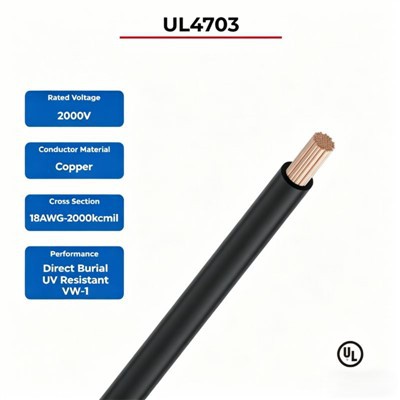
Understanding Your Energy Requirements
The first step in choosing an industrial energy storage system is to thoroughly understand your energy requirements. This involves analyzing your energy consumption patterns, peak demand periods, and the overall reliability of your power supply. By understanding these factors, you can determine the appropriate size and type of energy storage system needed to meet your specific needs.
- Energy Consumption Analysis: Conduct a detailed analysis of your energy consumption over a period of time. This will help you identify peak demand periods, average energy usage, and any seasonal variations in consumption. Understanding your energy consumption patterns will allow you to size the energy storage system appropriately to meet your needs.
- Peak Demand Management: Identify your peak demand periods and determine how much energy you need to store to reduce your reliance on the grid during these times. By storing energy during off-peak hours and discharging it during peak demand periods, you can reduce your electricity costs and avoid costly demand charges.
- Power Supply Reliability: Evaluate the reliability of your power supply and determine the level of backup power you require. In industries where downtime can result in significant financial losses, such as manufacturing and data centers, a reliable energy storage system can provide critical backup power during outages.
Types of Industrial Energy Storage Systems
There are several types of industrial energy storage systems available, each with its own advantages and disadvantages. The choice of energy storage system will depend on your specific energy requirements, budget, and the available space for installation.
- Battery Energy Storage Systems (BESS): BESS are the most common type of industrial energy storage system. They use rechargeable batteries to store electrical energy and can be quickly deployed and integrated into existing power systems. BESS are suitable for a wide range of applications, including peak shaving, load leveling, and backup power.
- Flywheel Energy Storage Systems: Flywheel energy storage systems store energy in the form of kinetic energy by spinning a rotor at high speeds. They can provide high-power output for short durations and are ideal for applications that require rapid response times, such as frequency regulation and voltage support.
- Pumped Hydroelectric Storage: Pumped hydroelectric storage is a mature and reliable energy storage technology that uses water to store energy. It involves pumping water from a lower reservoir to a higher reservoir during off-peak hours and releasing it through turbines to generate electricity during peak demand periods. Pumped hydroelectric storage is suitable for large-scale energy storage applications.
- Thermal Energy Storage: Thermal energy storage systems store energy in the form of heat or cold and can be used to provide heating or cooling services. They are commonly used in industries such as HVAC, food processing, and district heating and cooling.
Evaluating System Performance
When choosing an industrial energy storage system, it’s important to evaluate its performance based on several key factors. These factors will determine the system’s efficiency, reliability, and overall cost-effectiveness.
- Energy Efficiency: Look for an energy storage system with high energy efficiency to minimize energy losses during charging and discharging. A more efficient system will result in lower operating costs and a shorter payback period.
- Power Rating: The power rating of the energy storage system determines its ability to deliver power during peak demand periods. Choose a system with a power rating that meets your peak demand requirements to ensure reliable operation.
- Energy Capacity: The energy capacity of the system determines how much energy it can store. Consider your energy consumption patterns and the duration of backup power required when selecting the energy capacity of the system.
- Cycle Life: The cycle life of the battery is an important consideration for battery energy storage systems. It refers to the number of charge-discharge cycles the battery can withstand before its performance deteriorates. Choose a battery with a long cycle life to ensure long-term reliability and cost-effectiveness.
- Response Time: For applications that require rapid response times, such as frequency regulation and voltage support, choose an energy storage system with a short response time. This will ensure that the system can quickly respond to changes in the grid and provide the necessary power when needed.
Considering System Integration and Compatibility
Integrating an industrial energy storage system into your existing power system requires careful planning and consideration. The system must be compatible with your electrical infrastructure, control systems, and other equipment to ensure seamless operation.
- Electrical Infrastructure: Evaluate your electrical infrastructure to ensure that it can support the installation and operation of the energy storage system. This includes assessing the capacity of your transformers, switchgear, and wiring, as well as the availability of suitable electrical connections.
- Control Systems: The energy storage system must be integrated with your existing control systems to enable efficient operation and management. This may involve the use of advanced control algorithms and communication protocols to optimize the system’s performance and ensure compatibility with other equipment.
- Safety and Compliance: Ensure that the energy storage system meets all relevant safety standards and regulations. This includes compliance with electrical safety codes, fire safety requirements, and environmental regulations.
Assessing Total Cost of Ownership
The total cost of ownership (TCO) of an industrial energy storage system is an important consideration when making a purchasing decision. The TCO includes the initial purchase price, installation costs, operating costs, maintenance costs, and the cost of disposal at the end of the system’s life.
- Initial Purchase Price: Compare the initial purchase prices of different energy storage systems to find the most cost-effective option. However, it’s important to consider the system’s performance, reliability, and warranty when evaluating the purchase price.
- Installation Costs: The installation costs of an energy storage system can vary depending on the type of system, the complexity of the installation, and the location. Consider these costs when budgeting for the project and ensure that they are included in the TCO calculation.
- Operating Costs: The operating costs of an energy storage system include the cost of electricity, maintenance, and replacement parts. Choose a system with low operating costs to minimize the overall TCO.
- Maintenance Costs: Regular maintenance is essential to ensure the reliable operation of the energy storage system. Consider the maintenance requirements and costs of the system when making a purchasing decision.
- Disposal Costs: At the end of the system’s life, it will need to be disposed of properly. Consider the disposal costs and environmental impact of the system when evaluating the TCO.
Seeking Expert Advice
Choosing the right industrial energy storage system can be a complex and challenging process. It’s important to seek expert advice from a qualified energy storage provider or consultant who can help you evaluate your options and make an informed decision.
- Energy Storage Provider: As an industrial energy storage system provider, we have the expertise and experience to help you choose the right system for your specific needs. We can conduct a detailed energy audit, evaluate your energy requirements, and recommend the most suitable energy storage solution for your business.
- Energy Consultant: An energy consultant can provide independent advice and guidance on energy storage systems. They can help you evaluate different technologies, compare costs, and develop a comprehensive energy storage strategy for your business.
Conclusion
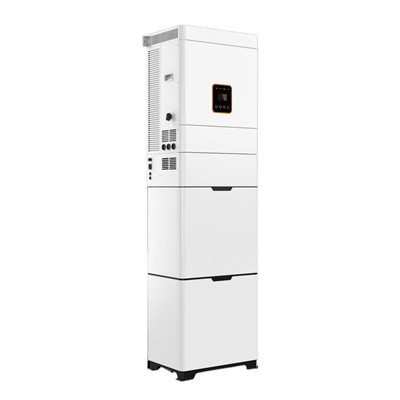
Choosing the right industrial energy storage system is a critical decision that can have a significant impact on your business’s energy efficiency, cost savings, and reliability. By understanding your energy requirements, evaluating different types of energy storage systems, considering system performance, integration, and compatibility, assessing the total cost of ownership, and seeking expert advice, you can make an informed decision and select the system that best meets your needs.
TUV Solar Cable If you’re interested in learning more about industrial energy storage systems or would like to discuss your specific requirements, please don’t hesitate to contact us. Our team of experts is ready to assist you in choosing the right energy storage solution for your business.
References
- "Energy Storage Handbook," edited by David Linden and Thomas Reddy.
- "Renewable Energy Storage and Grid Integration," by Soteris Kalogirou.
- "Battery Energy Storage Systems for Grid Applications," by Arindam Maitra and Subhasish Bhattacharya.
Tianjin Xilingke New Energy Technology Co., Ltd.
As one of the most professional industrial energy storage systems manufacturers and suppliers in China, we’re featured by quality products and low price. Please rest assured to wholesale durable industrial energy storage systems made in China here from our factory. For quotation, contact us now.
Address: Suite 2601, Tower B, Wanghai International, Haihe East Road, Hebei District, Tianjin, China.
E-mail: robin@sinelinkev.com
WebSite: https://www.sinelinkenergy.com/
