Hey there! I’m a supplier of bag making machines, and I often get asked about how these machines actually work. So, I thought I’d break it down for you in a way that’s easy to understand. Bag Making Machine
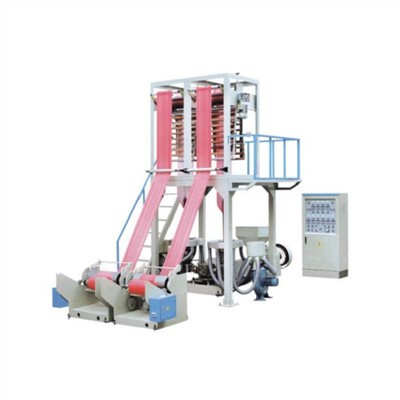
Let’s start with the basics. A bag making machine is designed to take a roll of flat plastic film or other materials and turn it into a usable bag. There are different types of bag making machines out there, but most of them follow a similar set of steps.
Step 1: Unwinding the Material
The first thing that happens is the unwinding of the material. We have a big roll of plastic film or paper, and the machine starts to pull it off the roll. This is usually done by a set of rollers that grip the material and move it forward at a steady pace. It’s kind of like when you unroll a roll of tape, but on a much bigger scale.
The speed at which the material is unwound is really important. If it’s too fast, the material might tear or get wrinkled. If it’s too slow, the production process will be inefficient. That’s why modern bag making machines have sensors and controls to make sure the unwinding speed is just right.
Step 2: Printing (Optional)
Some bags need to have printing on them, like logos, product information, or barcodes. If that’s the case, the bag making machine will have a printing station. This station uses a printing method, usually flexographic printing, to apply the ink to the material.
Flexographic printing works by using a flexible printing plate that has the design engraved on it. The plate is rolled over an ink fountain, which picks up the ink. Then, the plate transfers the ink onto the material as it passes through the printing station. It’s a pretty cool process, and it allows for high – quality printing on the bags.
Step 3: Sealing
Once the material is unwound and possibly printed, it’s time to start forming the bag. The first step in forming the bag is sealing. There are different types of seals, but the most common ones are heat seals.
Heat seals work by applying heat and pressure to the material. The machine has heating elements that get really hot, and when the material passes between these elements, the plastic melts and fuses together. This creates a strong seal that holds the bag together.
For example, in a side – seal bag, the machine will seal the two sides of the material together to form a tube. In a bottom – seal bag, it will seal the bottom of the tube, leaving the top open.
Step 4: Cutting
After the sealing is done, the next step is cutting. The machine needs to cut the continuous strip of material into individual bags. This is usually done by a cutting blade.
The cutting blade can be a rotary blade or a guillotine – style blade. The rotary blade is like a circular saw that spins and cuts through the material as it moves. The guillotine – style blade is a straight blade that comes down and cuts the material in one quick motion.
The cutting process needs to be precise. If the bags are cut too short or too long, they won’t be usable. That’s why the machine has sensors and controls to make sure the cutting is done at the right place.
Step 5: Hole Punching (Optional)
Some bags need to have holes in them, like for carrying handles or hanging on a rack. If that’s the case, the bag making machine will have a hole – punching station.
The hole – punching station has a punch that comes down and creates a hole in the material. The size and location of the hole can be adjusted depending on the requirements of the bag.
Step 6: Folding (Optional)
In some cases, the bags need to be folded. For example, a stand – up pouch might need to have a bottom gusset folded to make it stand up. The bag making machine can have a folding mechanism that takes care of this.
The folding mechanism uses a series of rollers and guides to fold the material in the right way. It’s a bit like folding a piece of paper, but the machine does it much more precisely and consistently.
Step 7: Stacking and Counting
Once the bags are cut and possibly folded, they are stacked up. The machine usually has a stacking area where the bags are neatly arranged.
Some machines also have a counting feature. This is really useful for the customer because they can easily know how many bags they are getting. The counting is usually done by sensors that detect each bag as it passes through a certain point.
How Different Types of Bag Making Machines Vary
There are different types of bag making machines, and they can vary in their working principles based on the type of bag they are making.
- Flat Bag Making Machines: These are the simplest type of bag making machines. They make flat bags, like the ones you use for groceries. They mainly focus on unwinding, sealing, and cutting the material.
- Gusseted Bag Making Machines: Gusseted bags have extra folds on the sides or bottom to give them more volume. These machines need to have a more complex folding mechanism to create the gussets.
- Stand – Up Pouch Machines: Stand – up pouches are a bit more difficult to make. They need to have a bottom gusset for standing up, and they often have a zipper or other closure mechanism. The machine for making stand – up pouches needs to be able to handle these additional features.
Quality Control in Bag Making Machines
Quality control is really important in the bag making process. The machine has a lot of sensors and controls to make sure that the bags are made to the right specifications.
For example, sensors can detect if the material is tearing, if the seals are not strong enough, or if the cutting is off. If a problem is detected, the machine can stop automatically or alert the operator.
We also do regular maintenance on the machines to keep them in good working condition. This includes cleaning the rollers, checking the heating elements, and sharpening the cutting blades.
Why Choose Our Bag Making Machines
As a bag making machine supplier, I can tell you that our machines are top – notch. We use the latest technology to make sure that the machines are efficient, reliable, and easy to operate.
Our machines are designed to be flexible. They can handle different types of materials, like plastic film, paper, and even non – woven fabrics. They can also make different types of bags, from simple flat bags to complex stand – up pouches.
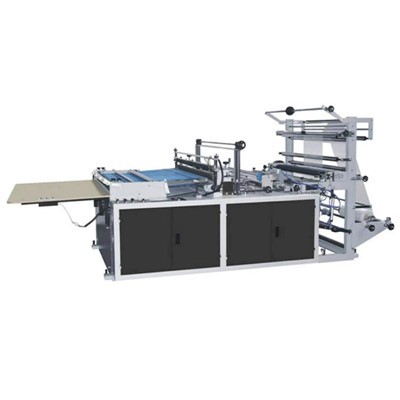
We offer great customer support. If you have any problems with the machine, our team of experts is ready to help you. We can provide training on how to use the machine, and we can also offer maintenance and repair services.
Bag Making Machine If you’re in the market for a bag making machine, I’d love to talk to you. Whether you’re a small business just starting out or a large factory looking to upgrade your equipment, we have a solution for you. Just reach out to us, and we can discuss your specific needs and see how our bag making machines can fit into your production process.
References
- "Bag Making Machinery: Principles and Operations" – Industry – specific technical guidebook
- "Plastic Film Processing Technology" – Academic resource on plastic film handling in manufacturing
- Conversations with industry experts and technicians in the bag making machine field
Ruian Huawei Machinery Co., Ltd.
As one of the most professional bag making machine suppliers in China, we’re featured by quality products and low price. Please rest assured to buy discount bag making machine made in China here from our factory. Also, quotation is available.
Address: No. 1, Building 2, Jingye Road, Dongshan Street, Rui’an City, Zhejiang Province
E-mail: 13695753569@163.com
WebSite: https://www.hw-machines.com/
