As a seasoned provider of residential lawns, I’ve witnessed firsthand the transformative power of a well – designed play area within a home’s outdoor space. A play area in your residential lawn isn’t just a place for kids to have fun; it’s an extension of your living area, a space for family bonding, and a haven for creativity. In this blog, I’ll share my insights on how to design a play area in your residential lawn, drawing from my years of experience in the industry. Residential Lawn
Understanding Your Needs and Space
The first step in designing a play area is to understand your specific needs and the available space. Consider the age of the children who will use the play area. Younger kids may need softer surfaces and more gentle play equipment like toddler slides and small sandboxes. Older children, on the other hand, might enjoy more challenging structures such as climbing walls and swings.
Measure your lawn space accurately. Take note of any existing features like trees, flower beds, or slopes. These can either be incorporated into the play area design or worked around. If you have a small lawn, you’ll need to be more strategic in your choices, focusing on multi – functional play equipment. For larger lawns, you have the luxury of creating a more extensive and complex play area with distinct zones.
Selecting the Right Equipment
Once you’ve determined your needs and space, it’s time to select the right play equipment. Safety should be your top priority. Look for equipment that meets industry safety standards. This includes checking for sturdy construction, smooth edges, and proper anchoring.
- Slides: Slides are a classic in any play area. They come in various sizes and shapes. For smaller lawns, a simple plastic slide might be sufficient. In larger areas, you can opt for a spiral slide or a double – lane slide for more excitement.
- Swings: Swings are another must – have. You can choose from traditional bucket swings for younger children and belt swings for older ones. Some swingsets even come with additional features like a glider or a trapeze bar.
- Climbing Structures: Climbing walls, jungle gyms, and monkey bars are great for developing children’s strength and coordination. Make sure the climbing equipment is the right height and difficulty level for your kids.
- Sandboxes: Sandboxes provide a sensory play experience for children. You can choose between a simple, open – top sandbox or one with a lid to keep the sand clean when not in use.
Creating a Safe Surface
The surface of your play area is crucial for safety. Falls are common in play areas, and a soft surface can significantly reduce the risk of injury.
- Rubber Mulch: Rubber mulch is a popular choice. It is made from recycled tires, providing a soft and shock – absorbing surface. It is also resistant to mold and pests.
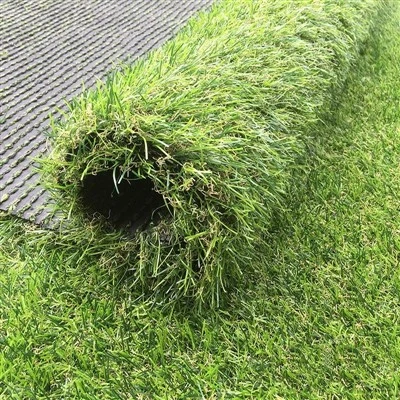
- Artificial Turf: Artificial turf is low – maintenance and provides a soft landing. It comes in different pile heights and densities, allowing you to choose the one that suits your needs.
- Play Sand: Play sand is a traditional option. It is soft and easy to work with. However, it may need to be replaced regularly to keep it clean and free of debris.
Incorporating Landscaping
Landscaping can enhance the beauty and functionality of your play area. You can use plants and flowers to create a natural and inviting atmosphere.
- Shade Trees: Planting shade trees around the play area can provide relief from the sun during hot summer days. Choose trees that are suitable for your climate and won’t drop too many leaves or fruits onto the play area.
- Flower Beds: Flower beds can add color and fragrance to the play area. Select low – maintenance flowers that are safe for children, such as marigolds and petunias.
- Privacy Screens: If you want to create a more private play area, you can use shrubs or fences as privacy screens. This can also help to reduce noise from the surrounding area.
Designing Zones
To make the most of your play area, consider designing different zones for different activities.
- Play Zone: This is the main area where the play equipment is located. It should be large enough to accommodate the equipment and allow children to move freely.
- Relaxation Zone: Create a small area with benches or a picnic table where parents can sit and watch the children play. You can also add some potted plants to make it more comfortable.
- Storage Zone: A storage zone is essential for keeping toys and equipment organized. You can use a shed or a storage bin to store items when not in use.
Lighting and Accessibility
Proper lighting is important for extending the use of your play area into the evening. You can install solar – powered lights along the paths and around the play equipment. This not only provides safety but also adds a magical touch to the play area at night.
Ensure that the play area is accessible for all children, including those with disabilities. This may involve using ramps instead of stairs for access to play equipment and choosing equipment that is wheelchair – friendly.
Maintenance
A well – designed play area requires regular maintenance to keep it safe and functional.
- Equipment Inspection: Regularly inspect the play equipment for any signs of wear and tear, such as loose bolts or cracked parts. Replace any damaged components immediately.
- Surface Cleaning: Clean the play surface regularly to remove dirt, leaves, and other debris. For rubber mulch and artificial turf, you can use a leaf blower or a hose to clean them.
- Plant Care: If you have incorporated landscaping into your play area, take care of the plants by watering, pruning, and fertilizing them as needed.
Conclusion

Designing a play area in your residential lawn is a rewarding project that can bring joy and fun to your family for years to come. By understanding your needs, selecting the right equipment, creating a safe surface, incorporating landscaping, designing zones, ensuring proper lighting and accessibility, and maintaining the area, you can create a play area that is both functional and beautiful.
Residential Lawn If you’re interested in creating a play area in your residential lawn and need high – quality lawn products and professional advice, I’d love to help. Whether you’re looking for the perfect surface material, the right play equipment, or guidance on landscaping, I have the expertise and resources to make your vision a reality. Reach out to me to start a conversation about your project, and let’s work together to design the ideal play area for your home.
References
- ASTM International. (2018). Standard Consumer Safety Specification for Playground Equipment for Public Use.
- National Recreation and Park Association. (2019). Playground Safety Handbook.
Yiwu Duofu Artificial Flower Co., Ltd.
As one of the most professional residential lawn manufacturers and suppliers in China, our products have good reputation in the market. Please feel free to wholesale bulk custom made residential lawn from our factory. Good service and quality products are available.
Address: Building B, No. 566 Chunhua Road
E-mail: 13373813738@aliyun.com
WebSite: https://www.chinaturffactory.com/
