Hey there! I’m a supplier of trunnion ball valves, and I’ve been in this industry for quite a while. Over the years, I’ve learned a thing or two about what makes a great trunnion ball valve. In this blog, I’m gonna share with you the standards that I think are crucial when it comes to these valves. Trunnion Ball Valve
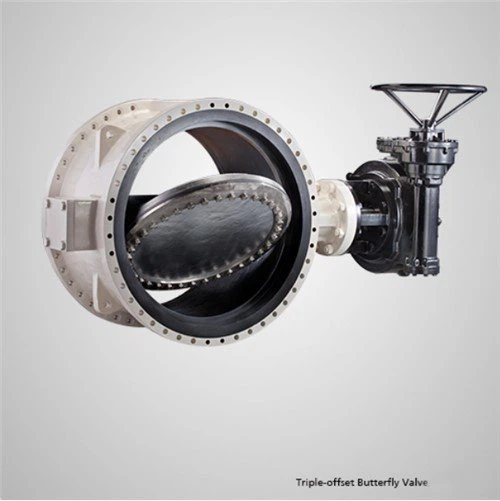
1. Design and Structure
First off, let’s talk about the design and structure of trunnion ball valves. A good trunnion ball valve should have a well – thought – out design that ensures smooth operation.
The ball in the valve is a key component. It needs to be perfectly spherical. Any deviation from a true sphere can cause problems like uneven sealing and increased wear. The surface finish of the ball is also super important. A smooth surface reduces friction when the ball rotates, which means less energy is needed to operate the valve and it’ll last longer.
The trunnion itself is another critical part. It provides support to the ball, especially in high – pressure applications. The trunnion should be properly sized and positioned. If it’s too small or not in the right place, the ball might not be held securely, leading to valve failure.
The body of the valve also matters. It should be made of a strong and durable material that can withstand the pressure and temperature of the fluid it’s handling. The body should have a good wall thickness to prevent any leaks or ruptures. And the connection points, like flanges or threaded ends, need to be well – made to ensure a tight seal with the pipeline.
2. Material Quality
The materials used in trunnion ball valves are a big deal. Different applications require different materials.
For the ball, stainless steel is a popular choice. It’s corrosion – resistant, which is great for handling fluids that might be acidic or have other corrosive properties. But in some cases, like in high – temperature applications, alloy steels might be a better option because they can withstand the heat without losing their strength.
The seat of the valve, which seals against the ball, can be made of various materials too. PTFE (polytetrafluoroethylene) is often used because it has a low friction coefficient and is resistant to many chemicals. However, for high – pressure and high – temperature applications, metal seats might be more suitable.
The stem of the valve, which is used to turn the ball, also needs to be made of a strong material. It should be able to transfer the torque from the actuator to the ball without bending or breaking. Usually, stainless steel or alloy steel is used for the stem.
3. Sealing Performance
One of the most important standards for trunnion ball valves is their sealing performance. A good valve should be able to prevent any leakage, whether it’s internal leakage (between the ball and the seat) or external leakage (from around the valve body or stem).
The sealing mechanism between the ball and the seat is designed to be tight. When the valve is in the closed position, the seat should press against the ball with enough force to create a seal. This requires a proper design of the seat geometry and the right amount of pre – load.
External sealing is also crucial. Gaskets and packing materials are used to prevent fluid from leaking out around the valve body and stem. These materials need to be of high quality and properly installed. For example, the packing around the stem should be compressed just enough to prevent leakage but not so much that it makes the valve hard to operate.
4. Pressure and Temperature Ratings
Trunnion ball valves are used in a wide range of applications, each with its own pressure and temperature requirements. So, it’s essential that the valves are rated for the right pressure and temperature.
The pressure rating of a valve indicates the maximum pressure it can safely handle. This rating is determined by factors like the material of the valve body, the thickness of the walls, and the design of the sealing mechanism. If a valve is used at a pressure higher than its rating, it can lead to catastrophic failure, like a burst valve.
The temperature rating is also important. Different materials have different temperature limits. For example, some plastics used in valve seats might start to deform at high temperatures, which can affect the sealing performance. So, when choosing a trunnion ball valve, you need to make sure it can handle the temperature of the fluid in your application.
5. Flow Capacity
The flow capacity of a trunnion ball valve refers to how much fluid can pass through it. This is an important standard, especially in applications where a large volume of fluid needs to be transferred.
The size of the valve opening, or the bore, is a major factor in determining the flow capacity. A larger bore allows more fluid to pass through. But the internal design of the valve also matters. A valve with a smooth and streamlined internal passage will have less resistance to flow, which means a higher flow capacity.
The flow coefficient, also known as Cv, is a number that represents the flow capacity of a valve. A higher Cv value means the valve can handle more fluid. When you’re selecting a trunnion ball valve, you need to consider the required flow rate in your system and choose a valve with an appropriate Cv value.
6. Actuation and Operation
Trunnion ball valves can be operated manually or with an actuator. If it’s a manual valve, the handle should be easy to turn. The torque required to operate the valve should be within a reasonable range. If it’s too high, it can be difficult for an operator to open and close the valve, especially in large – sized valves.
For actuated valves, the actuator should be properly sized and matched to the valve. Electric, pneumatic, and hydraulic actuators are commonly used. The actuator should be able to provide enough force to turn the ball quickly and accurately. It should also be reliable and easy to maintain.
7. Testing and Certification
Before a trunnion ball valve is shipped to a customer, it should go through a series of tests. These tests ensure that the valve meets the required standards.
Pressure testing is one of the most important tests. The valve is subjected to a pressure higher than its rated pressure to check for any leaks. The valve should also be tested for its sealing performance, flow capacity, and operation.
Certification is also a big deal. Valves that meet certain international standards, like API (American Petroleum Institute) standards or ISO (International Organization for Standardization) standards, are more trusted in the market. These certifications demonstrate that the valve has been manufactured and tested to a high level of quality.
Why Choose Our Trunnion Ball Valves?
Now that you know the standards for trunnion ball valves, let me tell you why our valves are a great choice.
We pay close attention to every aspect of the valve manufacturing process. From the design and material selection to the testing and certification, we make sure our valves meet the highest standards. Our valves are made with high – quality materials that can withstand tough conditions. They have excellent sealing performance, which means less leakage and more reliability.

We also offer a wide range of valve sizes and configurations to meet different customer needs. Whether you need a small valve for a domestic application or a large one for an industrial project, we’ve got you covered.
Check Valve If you’re in the market for trunnion ball valves, I’d love to have a chat with you. We can discuss your specific requirements and help you choose the right valve for your application. Contact us to start the procurement process and let’s find the perfect trunnion ball valve solution together!
References
- API Standards Publication. API 6D: Pipeline Valves.
- ISO Standards Handbook. ISO 14313: Petroleum and natural gas industries — Pipeline transportation systems — Pipeline valves.
- Valve Manufacturers Association of America (VMAA) Technical Publications.
Zhejiang Sunawei Valve Co., Ltd.
As one of the most professional trunnion ball valve manufacturers and suppliers in China, we offer a wide range of valves with superior quality. Please feel free to wholesale high quality trunnion ball valve at competitive price from our factory. We also accept customized orders.
Address: Anfeng Industrial, Oubei Town, Wenzhou City, Zhejiang, China
E-mail: snv@sunawevalve.com
WebSite: https://www.sunay-valves.com/
