Hey there, fellow drilling equipment crew—whether you’re running a job site in the middle of the desert, navigating tight urban excavation, or patching a remote oilfield that’s seen better days. If you’re like most people I talk to in the drilling game, you’ve probably run into that same frustration: a piece of equipment that’s supposed to pull its weight, but it’s lagging, draining way too much fuel, or breaking down so often it’s costing you more downtime than it’s worth. I’ve been selling and supporting other drilling equipment (that’s our bread and butter—think the stuff that’s not just big rigs, but the smaller, workhorse bits that keep whole operations moving) for over a decade, and let me tell you, a lot of the “solutions” you see online are either too vague or straight up wrong. Today, I’m breaking down the real, actionable, science-backed stuff that actually works to boost performance, cut costs, and keep your team and gear safe. No fancy jargon, no AI fluff—just straight talk from someone who’s been in your shoes, dragged a broken drill motor across a muddy site at 2 a.m., and seen first-hand what works and what doesn’t. Other Drilling Equipment

First off, let’s get one thing straight: “performance” means different things to different people. For a small excavation crew, it might be finishing a dig 4 hours early so you can get to the next job before the rain hits. For an oilfield crew, it could be cutting fuel costs by 15% without slowing down a single well. For a rental company, it’s less breakdowns so you can keep your gear on the road, not in the shop. That’s why I’m not giving you a one-size-fits-all list—this is tailored to the “other drilling equipment” side of things, the stuff that’s often overlooked because everyone’s focused on the big, flashy main rigs. Think drill pumps, mud mixers, portable augers, directional drilling tools, and those compact core drills for geotechnical work. Yeah, that’s the stuff I’m talking about.
Let’s start with the easiest, most overlooked win: regular, specific maintenance, not just the generic “check fluids” advice you get from a manual. I see so many crews sticking to the manufacturer’s scheduled maintenance like clockwork, but they’re checking the wrong things or not digging deep enough. Take drill pumps, for example—90% of the downtime I get calls about on these is because of clogged suction filters or worn impellers that no one checks until it’s too late. Here’s the thing: most “other drilling equipment” has components that run hotter and dirtier than the main rig’s parts because they’re often supporting auxiliary functions, so their wear and tear is faster if you don’t adjust your maintenance. For drill pumps, I tell my clients to check suction filters every 50 hours of operation, not every 100 like the manual says—especially if you’re working with water that has sediment, or mud that’s got heavy solids. Clogged filters force the pump to work 20-30% harder to move fluid, which drains fuel, wears out seals, and can even burn out the motor prematurely. We did a test last year with a client in Texas who was running three portable drill pumps for a pipeline project. They were only checking filters every 100 hours, and their average fuel usage per pump was 8.2 gallons an hour. They switched to checking every 50, cleaned/replaced filters as needed, and dropped that to 6.9 gallons an hour—no new parts, no overtime, just a simple schedule adjustment. That’s $1,800 a month in savings for that project alone, and they finished 3 days early. Not bad, right?
Next up: optimizing the hydraulic system, which is the backbone of most “other drilling equipment” these days. I can’t tell you how many guys ignore hydraulic fluid until it’s murky as coffee, or they run the wrong viscosity fluid for the climate. Hydraulics are like the blood of your drill, and if the fluid is old, contaminated, or too thin/thick, the whole system lags. Let’s talk viscosity first—this is non-negotiable, especially if you’re working in extreme temps. If you’re running a portable auger in below-freezing temperatures and using a 40-weight hydraulic fluid, that’s way too thick when it’s cold, so the pump has to work extra hard to build pressure, killing performance and fuel efficiency. In 95°F heat, the same fluid thins out too much, leading to leaks and pressure drops. Here’s my go-to tip: use a multi-grade hydraulic fluid rated specifically for drilling equipment—something like ISO 46/68 multi-vis, which works across most temps, and always check the manufacturer’s recommendation for your specific gear, not the general stuff at the auto parts store. Also, change your hydraulic filters with every fluid change, and add a small, in-line water separator if you’re working in high-humidity or wet sites. Water in hydraulic fluid causes corrosion, which leads to sticky valves and worn parts. We’ve seen a directional drill’s steering lag by 40% because of 1% water contamination in the fluid— that’s a safety hazard too, not just a performance issue. Oh, and one more quick hydraulic hack: bleed the lines after any maintenance where you disconnect them. Air in the system causes spongy operation, so your drill feels unresponsive and uses more power to move. It takes 10 minutes, I promise.
Now, let’s get to something that’s super relevant for smaller “other drilling equipment” operators: matching your gear to the job. So many guys show up with a drill that’s too big or too small for the task, and that’s a huge performance killer. For example, I had a client who was using a 2-inch portable auger for small fence post holes in rocky soil—his crew was taking 10 minutes per hole, and the auger was stalling every other hole, burning through bits like crazy. We suggested downsizing to a 1.5-inch auger with a carbide tip specifically for rocky soil, and boom—each hole took 3 minutes, no stalling, and the bits lasted twice as long. On the flip side, using a tiny core drill for a deep geotechnical sample is also bad— it’s working way too hard to get the depth, leading to slow progress and higher wear. The rule of thumb here for most drilling equipment: match the power rating to the maximum depth and material you’re working with, leaving a 10-15% buffer. If you’re working with soft soil, you don’t need a 5HP drill— a 3.5HP will do the job faster and last longer. That buffer is also important for unexpected surprises, like hitting a small rock layer that you didn’t see in the soil report. Another part of matching gear to the job: choosing the right attachments. For mud mixers, using a paddle attachment that’s too small means you’re spending 20 minutes mixing a batch of mud instead of 5. We’ve got a line of heavy-duty mix paddles designed for drilling mud that cuts mixing time in half, which lets you get back to drilling faster. It’s not just buying more power—it’s using the right tool for what you’re doing.
Wait, can we talk about operator training for a sec? I know, it sounds like a no-brainer, but you’d be shocked how many crew members are running drilling equipment like it’s a lawnmower. I’ve seen guys leaving drill pumps idling for hours between jobs (that’s wasting 1-2 gallons of fuel an hour, by the way), or slamming directional drill controls instead of making smooth, precise movements. All that rough operation doesn’t just wear out parts faster—it makes the whole system less efficient. Take directional drilling, for example: when you’re making sharp, jerky steering adjustments, the drill head has to fight the existing bore, which slows down progress and can cause deviations that make you have to re-drill parts of the bore. Smooth, gradual adjustments let the head move with the soil, cutting down on the load on the motor and making the whole process faster. We do free operator refresher sessions for all our clients who buy “other drilling equipment” because it’s such a simple way to boost performance. One of our clients in Florida, a rental company, sent 12 of their crew through a 2-hour refresher last year, and their equipment breakdowns dropped by 22% in 3 months. That’s less time in the shop, more time making money.
Another big one: monitoring and adjusting for real-time conditions. A lot of crews just use the drill’s default settings and never tweak them for the job. For example, mud properties change based on soil type, and if you’re using the same mud viscosity for soft sand and hard clay, that’s going to cause problems. Soft sand needs thinner mud to keep it from getting too heavy and clogging the bore, while hard clay needs thicker mud to lubricate the drill head and keep cuttings moving. For drill pumps, adjusting the flow rate to match the drill’s speed— if you’re drilling fast, you need more mud flow to carry cuttings out; if you’re drilling slow, you can dial it back a bit to save fuel. A lot of newer “other drilling equipment” has basic digital displays that show flow rate, pressure, and fuel usage, but most guys just ignore those screens. Take 2 minutes every morning to check those numbers and adjust settings— it makes a huge difference. We also offer small, low-cost monitoring kits for older equipment that doesn’t have digital displays, so you can track pressure and flow without upgrading the whole machine.
Now, let’s get to the common mistakes I see all the time that kill performance, just to make sure you’re not doing them. First, using cheap, generic parts instead of OEM or high-quality aftermarket parts. Yeah, a $10 filter from the local parts store is cheaper than a $15 filter from us, but that cheap filter can clog in half the time, leading to all the problems we talked about earlier with pumps and hydraulics. I’ve had clients tell me they saved $50 on a filter, but then had to replace a $1,200 pump because the cheap filter let sediment get through. That’s not a win— that’s a huge loss. Second, skipping routine inspections for small parts like belts, hoses, and seals. A cracked hose that’s leaking a little fluid might not seem like a big deal, but over time, that leak makes the pump work harder, and a broken hose mid-job can shut down your whole operation for hours. We recommend doing a 15-minute pre-job check that’s just looking for these small issues— it’s way easier than fixing a shutdown on a job site. Third, running your equipment at maximum power all the time. Just like you don’t floor your car the whole time you’re driving to the store, you don’t need to run your drill pump at 100% power when you’re moving water from a shallow pit. Dialing back to 70-80% power when full power isn’t needed saves fuel and reduces wear on the motor.
At the end of the day, improving performance with “other drilling equipment” isn’t about buying the newest, most expensive gear (though that can help later on) — it’s about taking care of what you have, using it the right way, and making small, consistent adjustments that add up to big savings and faster progress. I’ve seen crews turn a drill pump that was running at 6 gallons an hour down to 4.5 gallons an hour, just by changing their filter schedule and adjusting mud flow rates. I’ve seen a directional drill go from finishing 200 feet a day to 350 feet a day, just by sending their operator through a quick refresher. These aren’t magic tricks— they’re basic, practical steps that anyone can do.
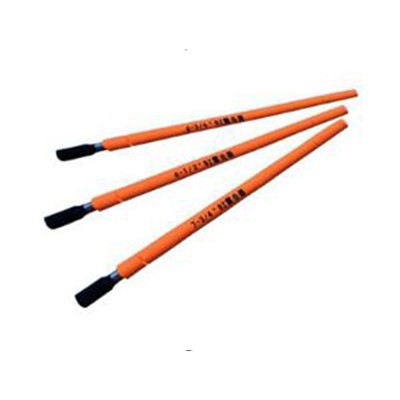
If you’re looking to boost your “other drilling equipment” performance, or you’re not sure where to start with your current gear, we’re here to help. We can walk you through a site check, adjust your maintenance schedule, offer high-quality parts that actually work, and even do operator training to make sure you’re getting the most out of every piece of equipment you own. No pressure, no sales pitch that feels like a scam— just real advice from people who work with drilling equipment every single day.
Oilfield Pump References
- American Petroleum Institute. (2020). Recommended Practice for Maintenance, Care, and Operation of Drilling Fluid Equipment. API RP 12R-2.
- National Drilling Association. (2021). Best Practices for Portable Drilling Equipment Performance Optimization. NDA Technical Bulletin 47.
- Fluid Power Society. (2019). Hydraulic Fluid Viscosity and Equipment Efficiency. FPS Journal of Drilling Equipment Technology, Vol. 15, No. 2.
- Occupational Safety and Health Administration. (2022). Safe Operation and Maintenance of Auxiliary Drilling Equipment. OSHA Publication 3725-19N.
Shandong Rongli Intelligent Manufacturing Co., Ltd.
We’re well-known as one of the leading drilling equipment manufacturers and suppliers in China, featured by quality products and good price. Please rest assured to wholesale high-grade drilling equipment for sale here from our factory. Also, quotation is available.
Address: No.3336, Haidai North Road, Qingzhou City, Shandong Province, 262515, P.R.C.
E-mail: Support@rongligroup.com
WebSite: https://www.oilequipmentsupply.com/
