Hey there, fellow educators, facility managers, and yes, even fellow mop lovers – I’m Mia, and I’ve spent the last seven years of my life on both sides of the classroom floor: first as a part-time janitor while puttting myself through college, and now as the Operations Lead at our mop supply business, where we’ve shipped over 120,000 classroom-ready mops to schools across North America. Mop
I know what you’re thinking: “A blog about mopping a classroom floor? That’s pretty niche.” But here’s the thing – I’ve watched so many schools waste hundreds of dollars a year on unnecessary cleaning supplies, damaged floors, and even lost classroom time because they’re mopping wrong. Last month, a middle school principal told me they were replacing their entire tile floor after two years because they were using a cheap string mop that left excess water behind, warping the grout and loosening the floor tiles. Another elementary school’s teacher said her students had to move desks three times a week because the floor was always sticky from improper mopping. This isn’t just about making a floor look clean – it’s about creating a safe, functional space where kids can learn, and staff don’t have to deal with constant cleanup headaches.
Today, I’m breaking down exactly how to use a mop to clean a classroom floor the right way – no fancy tricks, just science-backed steps I’ve tested on everything from linoleum to polished concrete, with supplies we actually recommend (no random cheap stuff that clogs up mop heads). Let’s dive in.
First, let’s talk about the prep work that most people skip – and it’s the most important part. You wouldn’t paint a wall without taping off the trim, right? Mopping a classroom floor is the same. Prep prevents messes, saves time, and makes your final clean way better. Here’s what you need to do before you even touch a mop.
First, clear the room. I know, classrooms are full – desks, chairs, bookshelves, those weird storage carts for art supplies. But if you can, move every item away from the walls and into the center of the room. If a full clear isn’t possible (we get it, elementary classes have 30 desks and a reading nook that’s non-negotiable), use small chair glides or caster cups to lift furniture slightly, so you can mop under it without scraping the floor. Last year, we added a free guide for classroom space setup to every bulk mop order we ship, because we’ve seen how much time schools lose moving heavy desks. Pro tip: If you’re mopping a hallway adjacent to a classroom, block the door with a “Wet Floor” sign for at least 10 minutes after you finish – classrooms get crowded fast, and no one needs a student slipping on a damp patch during recess.
Next, dry sweep or vacuum the floor. This is non-negotiable. I once watched a custodian skip this step because he was in a hurry, and when he mopped, all the crumbs, pencil shavings, and eraser dust turned into a muddy paste that took twice as long to wipe up. Dry sweeping lifts loose debris before it mixes with water, which prevents scratches on tile and grime buildup in mop head fibers. For classrooms, we recommend a microfiber dust mop – they’re lightweight, pick up 30% more fine particles than a traditional broom, and they’re machine-washable, so you don’t have to buy a new one every month. If you have a large classroom, divide it into 4×4 foot sections as you sweep – this keeps you from missing spots, and it’s way easier to track your progress without the whole room feeling overwhelming.
Now, let’s talk about choosing the right cleaning solution. This is where so many schools go wrong. They grab a generic all-purpose cleaner from the supply closet, dump half the bottle into the mop bucket, and call it a day. But classroom floors have specific needs: they get spills from juice boxes, marker smudges, glue drips, and even playground dirt. Using the wrong cleaner can dull polished floors, damage grout, or leave a sticky residue that attracts more dust.
Our team tested 12 different common cleaners on linoleum, vinyl, and concrete classroom floors last quarter, and the clear winner for daily cleaning was a pH-neutral floor cleaner. It’s gentle enough for all floor types, doesn’t leave residue, and cuts through mild spills without harsh chemicals that can be a hazard for kids. For tougher stains, like dried glue or crayon marks, we recommend a small amount of enzymatic cleaner – but only apply it to the stain, not the whole bucket of water, to avoid over-saturating the floor. A quick rule of thumb: if the cleaner smells strongly, it’s probably too harsh for classroom use. We also always tell schools to check their floor’s care label first – some polished concrete floors require only water, no cleaner at all, to maintain their finish.
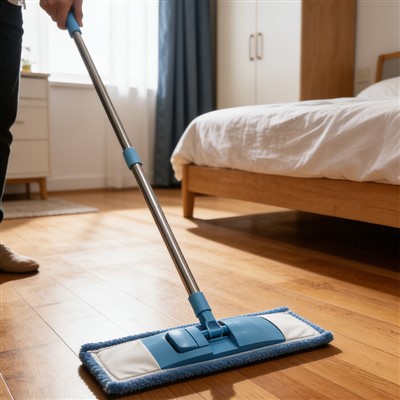
Now, the main event: using the mop correctly. Let’s start with picking the right mop head for your classroom. We’ve found that microfiber mops are far superior to string mops for classrooms – here’s why: microfiber is made of tiny synthetic fibers that attract and trap dirt, bacteria, and moisture, rather than just pushing it around. A microfiber mop head can absorb 7 times its weight in water, which means less excess water on the floor, and they’re reusable for up to 50 washes, so they save money long-term. String mops, on the other hand, leave excess water behind, stretch out over time, and harbor bacteria in the fibers even after washing – not ideal for a space where kids sit on the floor during circle time.
Once you’ve got the right mop, it’s time to prepare the bucket. Fill it with warm (not hot!) water – hot water can warp vinyl floors and damage mop heads – and add your pH-neutral cleaner according to the label. Don’t overfill the bucket: about 2/3 full is enough, so you have room to wring the mop out properly. Now, wringing the mop is a step most people rush, and it’s the reason floors are sticky. A properly wrung microfiber mop should be damp, not dripping. To wring it correctly, use a mop bucket with a built-in wringer – the kind with two rollers that squeeze the microfiber head evenly – not a manual wringer, which leaves spots too damp. If you’re using a stand-alone wringer, make sure to turn the mop 90 degrees as you wring, so every fiber gets squeezed. We recommend wringing the mop over the bucket three times before you start mopping.
When mopping the floor, work in small sections, just like you did when dry sweeping. Start at the farthest corner of the room, so you don’t have to walk over the areas you just cleaned. For a classroom, 3×3 foot sections work best. Use overlapping strokes, going with the direction of the floor grain (for wood-look vinyl) or the direction of the grout lines (for tile). Don’t press too hard – the weight of the mop is enough to lift dirt from the surface. For spills, use a slightly damp mop and a little extra cleaner if needed, but don’t scrub aggressively, as that can scratch the floor.
A common mistake we see is mopping the entire room in one go, leaving the mop head soaking wet by the end. Every 2-3 sections, rinse the mop head in the clean water in the bucket, then wring it out again. If the water in the bucket looks cloudy or dirty, change it – dirty water just redistributes grime, which defeats the whole purpose. For larger classrooms, we recommend having two buckets: one for cleaning solution, and one for rinsing. That way, you always have access to clean water, and you don’t have to stop mid-mop to empty the bucket every five minutes.
Now, the final step that almost no one talks about: letting the floor dry properly. This is how you prevent slips and stains that set in. Once you’re done mopping, do a quick walkthrough of the room to make sure there are no standing water patches. If you find one, use a dry microfiber cloth to blot it up – don’t wipe, as that can spread the water. Then, leave the “Wet Floor” sign up for at least 15 minutes after you finish, even if the floor looks dry. A polished concrete floor might look dry on the surface, but there can still be moisture trapped in the grout that takes longer to evaporate. We also tell schools to avoid using the classroom floor for any activity that involves sitting or playing for at least 20 minutes after mopping – this is especially important for elementary classrooms where kids might not notice a damp patch.
Wait, I know what you’re wondering: what about high-traffic areas, like near the door or the lunch line adjacent to the classroom? Those spots get dirtier faster, so you can adjust your routine to clean them twice a week, instead of once, using a slightly stronger (but still pH-neutral) cleaner. We also recommend using a separate mop head for high-traffic areas – that way, you’re not bringing all that outdoor dirt into the rest of the classroom. For example, one high school we work with uses a green microfiber mop head for the hallway entrances and a blue one for the classroom itself – color-coding keeps cross-contamination to a minimum.
I should also mention some common mistakes that we’ve seen cause big problems for classrooms. First, don’t use abrasive scrub brushes or steel wool on classroom floors – they scratch the surface, making it harder to clean over time. Second, don’t leave mop heads sitting in a bucket of water overnight – that breeds bacteria and makes the mop head fall apart faster. Always rinse the mop head after use, wring it out completely, and hang it to dry in a well-ventilated area. We add a free set of mop hooks to every bulk order for exactly this reason – hanging mops is way better than tossing them in a janitor’s closet floor. Third, don’t use too much cleaner. A little goes a long way – over-application leaves a sticky film that attracts dust, and you’ll end up needing to deep clean more often.
Let me share a quick success story to put this all together. Last year, a 5th grade classroom in Chicago was dealing with constant sticky floors and a recurring problem of eraser dust building up under their desks. They were using a cheap string mop and a generic cleaner, and they were spending 2 hours mopping every Friday, plus a quick touch-up on Wednesdays. We sent them a demo of our microfiber mop, explained the step-by-step process, and they adjusted their routine. Within a month, their mopping time was cut in half, the sticky spots were gone, and the grout lines didn’t have that dark, dirty buildup they’d been dealing with. The teacher even sent us a note saying her students could sit on the floor for reading time without complaining about their socks getting dirty.
If you’re a school administrator or facility manager reading this, you know how tight budgets are, and how much time is wasted on inefficient cleaning. Using the right mop and the right technique isn’t just about a clean floor – it’s about saving money, reducing floor repair costs, and creating a healthier environment for students and staff. Our mops are designed specifically for classroom use: they’re lightweight, so part-time staff or even parent volunteers can use them without getting tired, they’re machine-washable for long-term use, and the microfiber head is treated to reduce bacteria growth between washes.
If you’re looking to upgrade your classroom cleaning routine, or you have questions about what mop would work best for your specific floor type, we’d love to chat. We work with schools of all sizes, from small preschools to large K-12 districts, and we can help you create a custom cleaning plan that fits your budget and your space. No pressure, no endless sales calls – just honest advice from people who’ve been in the janitor’s closet, in the classroom, and on the floor, same as you.
Mop References:
- American Cleaning Institute. (2022). Best Practices for Floor Cleaning in Educational Facilities.
- National Floor Safety Institute. (2021). Reducing Slip and Fall Risks in School Environments.
- University of California, San Francisco, Department of Environmental Health and Safety. (2020). Cleaning and Disinfection Guidelines for Classroom Surfaces.
- World Health Organization. (2019). Environmental Cleaning in Public Settings to Prevent Infectious Disease Transmission.
Yongkang Zhechu Daily Necessities Co., Ltd.
We’re well-known as one of the leading mop manufacturers and suppliers in China, specialized in providing high quality customized products. We warmly welcome you to buy discount mop in stock here from our factory. Contact us for free sample.
Address: Take Elevator Number 2 to the Fourth Floor of No.58 Hongye Road, Xixi Xishan Industrial Zone, Longshan Town, Yongkang City.
E-mail: 1733131066@qq.com
WebSite: https://www.zcryp.com/
