Hey everyone, if you’re reading this, chances are you’re either dealing with grimy plastic drums lying around your warehouse, trying to prep them for reuse, or maybe you’re new to the game and just ordered a bunch from a supplier like me. Today we’re talking about something I get asked all the time: how to actually clean the outside of a plastic drum. And before you think “it’s just a plastic drum, rinse it with water,” trust me—there’s a right way and a wrong way here. I’ve seen people mess this up so many times, from using chemicals that eat through the plastic to scrubbing so hard they leave permanent scratches. As someone who’s been in the plastic drum supply business for over 8 years, I’ve learned a thing or two about this, and I’m breaking it all down for you today. Plastic Drum
First off, why does the outside of a plastic drum even matter? Let’s be real—no one wants a drum that’s caked in old grease, dried-on paint, or rust stains (wait, rust on a plastic drum? Yeah, if you’ve stored metal parts in it before, that’s a thing) when you’re loading it up for shipping or refilling it. For my customers in manufacturing, food processing, and agriculture, the condition of those drums is part of their brand. If you’re delivering a product in a drum that looks like it’s been dragged through a construction site, the receiver is gonna notice. Plus, if you’re reconditioning drums to resell, a good clean adds tons of value—last quarter, we had a customer who reconditioned their used drums with the right method and sold ’em for 30% more than the ones they just hosed down. So this isn’t just a “nice to have” chore—it’s actually practical for your bottom line.
Let’s start with the basics: what you need, and more importantly, what you DON’T need. I see people grab industrial-strength degreasers or bleach first, and that’s a big no-no. Too harsh of chemicals can break down the plastic over time, especially if it’s the common HDPE (high-density polyethylene) we use for most of our drums. Bleach can also leave a residue that’s hard to rinse off, which might transfer to whatever you put in the drum later. Stick to mild, household-friendly supplies for most everyday grime. Here’s my go-to list that works for almost all cases: a stiff-bristle brush (not metal—metal scratches the plastic and can hold onto gunk), warm water, a gentle dish soap or a mild all-purpose cleaner, a bucket, and a soft cloth for drying. For tougher stains, we’ll get to those later, but save the heavy stuff for when you really need it.
Now, let’s walk through the step-by-step process, starting with the stuff that’s actually not that bad—like general dirt, dust, or light grime. First, you want to do a pre-rinse. Just blast the outside of the drum with a strong stream of water to knock off all the loose gunk. Don’t skip this part! If you start scrubbing right away, all that loose dirt will act like sandpaper and scratch the plastic. Trust me, I learned this the hard way when a new intern at the supply company scrubbed a load of drums with no pre-rinse, and we ended up with 50 scratched drums we had to sell at a discount. Next, mix your cleaning solution: a gallon of warm water with a couple squirts of dish soap. Stir it up, then dip your stiff brush in and start scrubbing in circular motions all over the outside. Pay extra attention to the areas around the bungs (those screw caps on top and bottom) and the base, since those are the spots where grime collects the most. Once you’re done scrubbing, rinse the whole drum down again with that strong water stream to get all the soap residue off. Last step: dry it with a soft cloth. If you leave it to air dry outside, dust will land on it and you’ll be right back where you started. Simple, right? That works for most regular use drums, like ones that stored grain, fertilizer, or non-hazardous liquids.
But wait, what if you’ve got way tougher stains? I’m talking dried-on paint, thick grease, oil, even concrete splatters. This is the stuff we deal with when customers bring back drums that were used for construction or automotive jobs. First, don’t panic—you don’t need to ruin the drum. For grease and oil stains, skip the dish soap and use a small amount of baking soda mixed with water to make a paste. Baking soda is gentle enough for plastic but abrasive enough to cut through thick grease without scratching. Rub the paste into the stain, let it sit for 10-15 minutes, then scrub with your brush and rinse. For dried paint, if it’s water-based, a little rubbing alcohol on a cloth will lift it right off—just don’t douse the drum, test it on a small hidden spot first to make sure it doesn’t damage the plastic. If it’s oil-based paint, you can use a mild citrus-based degreaser (again, avoid anything with harsh acids or ammonia) and let it sit for 5 minutes before scrubbing. I always tell customers to test any new product on a tiny, out-of-the-way area of the drum—different plastic formulations can react differently, and it’s better to catch a bad reaction on the bottom than on the side everyone sees.
Now, what about the gross stuff—like rust stains? Wait, like I said earlier, plastic drums can get rusty if you store metal items in them, or if they get exposed to metal tools that leave rust marks. Rust stains are tricky because most regular cleaners won’t touch ’em. For that, my go-to is a mix of equal parts white vinegar and water. Spray it on the stain, let it sit for 20 minutes (don’t leave it too long, though—vinegar is acidic and can affect plastic over time if it sits for hours), then scrub with your brush and rinse. If that doesn’t work, a little bit of citric acid (you can find it at any grocery store) mixed into warm water will do the trick. I’ve used this on hundreds of drums over the years and never had a problem, unlike when I tried a harsh rust remover that left a cloudy film on a batch of new drums.
Okay, let’s talk about mistakes I see all the time that you should avoid. First, using metal brushes or steel wool. I know they seem like they’d get things cleaner, but they scratch the plastic, which not only looks bad but actually makes future cleaning harder—scratches trap gunk more easily. Second, using too much water pressure when rinsing. That might sound counterintuitive, but if you blast a plastic drum with a power washer on high, you can actually warp the plastic, especially if it’s been sitting in the sun for a while. Keep that pressure on medium, or even use a garden hose nozzle on the jet setting—strong enough to rinse off dirt, not strong enough to damage the drum. Third, letting the drum sit wet after cleaning. Stagnant water can leave mineral deposits or even mold, so dry it as soon as you’re done. Fourth, mixing random chemicals together. I’ve had customers mix bleach and ammonia once, and even though they were wearing gloves, the fumes were so strong they had to call for help. Stick to the simple solutions I mentioned—dish soap, baking soda, vinegar, rubbing alcohol—and you’ll be fine.
Another thing I get asked: should I clean the inside too? Wait, the question was about the outside, but I’ll give you a quick tip since we’re on the topic. Cleaning the inside is a whole other process, but if you’re reusing or reselling the drum, cleaning the outside is only half the battle. But for today, we’re focusing on the exterior, so let’s get back to that.
If you’re dealing with brand-new drums from a supplier like me, you might be surprised that they have a little plastic residue or a faint factory smell. A quick wipe down with a damp cloth and a tiny bit of dish soap will make them look brand new, ready for whatever you need. We always recommend doing a quick clean on new drums before first use, anyway—you never know what might have touched them during shipping or storage.
Now, let’s talk about when it might be time to replace a drum instead of cleaning it. If the drum has deep cracks, warped sides, or is leaking, cleaning it won’t fix that. Cracks can harbor bacteria or make the drum unsafe to hold liquids, so those are better off replaced. If you notice the plastic is turning cloudy or discolored in spots that won’t come off, that’s probably from exposure to harsh chemicals over time, and it’s time to retire it. But for 90% of the drums we see, a good clean brings them back to looking almost new.
At the end of the day, cleaning the outside of a plastic drum is pretty straightforward when you know the right steps and what to use. It’s not rocket science, but taking the time to do it right saves you money in the long run—whether you’re reusing drums, reselling them, or just making sure your products look professional when you ship them out. As a plastic drum supplier, I’ve seen customers skip this step and end up with drums that look unprofessional or even unsafe to use. Don’t be that person.
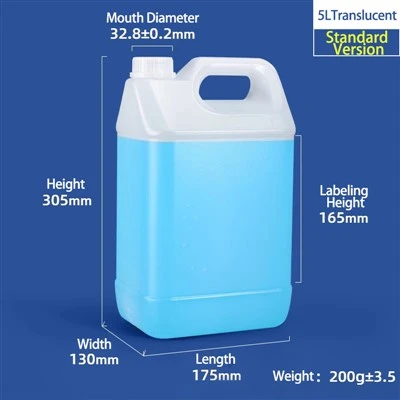
If you’re in the market for new plastic drums, or you’re reconditioning used ones and need a reliable supplier that can help with all your drum needs, hit me up. We stock all sizes, from 5-gallon to 55-gallon, in different grades for different uses, and we can give you tips for everything from cleaning to storage. Whether you’re a small business owner just starting out or a big manufacturing manager, we’re here to help you get the right drums for your job at a fair price. No weird hoops to jump through, no hidden fees—just straight talk and good drums. Go check ’em out, and drop a comment below if you have any other cleaning questions, I’m always here to help.
Metal Parts References
- American Chemistry Council. (2021). Best Practices for Cleaning and Maintaining Plastic Containers.
- Occupational Safety and Health Administration (OSHA). (2020). Chemical Safety Guidelines for Industrial Cleaning Operations.
- SPI: The Plastics Industry Trade Association. (2019). Care and Handling of HDPE Containers for Reuse.
- University of California Agriculture and Natural Resources. (2018). Cleaning Plastic Drums for Agricultural Storage and Transport.
Jiangsu Xinhuasheng Packaging New Materials Co., Ltd.
Jiangsu Xinhuasheng Packaging New Materials Co., Ltd. is one of the most professional plastic drum manufacturers and suppliers in China, featured by quality products and low price. Please rest assured to wholesale durable plastic drum in stock here and get quotation from our factory. Customized orders are welcome.
Address: No. 5 Tieta Road, Industrial Park, Guyang Town, Dantu District, Zhenjiang City, Jiangsu Province, China.
E-mail: manager@jsxhsgs.com
WebSite: https://www.xhsibc.com/
